Plumber Practice Test Guide for United States Learners
Quiz Plumber Practice Test
Exam Tests Plumber Practice Test Ace the plumber certification exam with our comprehensive practice test. Our exam tests cover all the essential topics and provide realistic scenarios to help you succeed. Enhance your skills and knowledge with our practice test and become a certified plumber.
Here are the most popular products... Try them now!
1
Learn everything you need to know about the plumber practice exam
If you are getting ready for a plumbing exam in the United States, the main challenge is not only knowing the trade. You also need to know how the test is built, what topics matter most, and how your state or local licensing path fits into the process.
This guide gives you a clear place to start. It explains what the test is meant to measure, how the content is usually grouped, and how to prepare in a steady way so you can study with a plan instead of guessing. The goal is simple. You should finish with a better grip on the exam and the next step you need to take.
The goal is simple. By the end, you should have a better understanding of the exam process, the subjects that matter most, and the next steps needed to move toward your plumbing license and career advancement. Be ready for success.
Topics and percentages
Based on exam questions
- Plumbing Tools and Equipment7%
- Drain Cleaning and Clog Removal7%
- Leak Detection and Troubleshooting7%
- Pipe Materials and Fittings7%
- Water Supply Systems7%
- Plumbing Safety and Code Compliance7%
- Valves, Faucets, and Fixtures7%
- Water Heaters and Hot Water Systems7%
- Plumbing Math and Pressure Basics7%
- Fixture Installation and Repair7%
- Drain, Waste, and Vent (DWV) Systems7%
- Septic and Sewer Systems7%
- Backflow Prevention7%
- Blueprint Reading and Measurement7%
- Pipe Cutting, Joining, and Soldering3%
The most trending products:
You may be interested in reading these other articles too:
- ABMDI Practice Test: Free Questions & Exam Prep
- Heavy Equipment Operator Practice Test Tips to Pass Fast
- Top 5 Tips to Pass Your Welder Practice Test Fast in
- Official Updated MHIC Practice Test Practice 2026
- Master API 1169 Practice Test with Easy Steps Today
- Master NYC Food Protection Practice Test Quickly Today
- Florida Business and Finance Exam Prep Guide
- Official Updated CPPS Exam Practice Test 2026
- Official Updated Heavy Duty Equipment Technician Practice Test Practice 2026
- Official Updated L1 ASE Practice Test Practice 2026
- Master Washington HCA Practice Test Easily Today Guide
- Proven Way to Ace NHA Pharmacy Technician Practice Test
- Boost Your Score with NCCCO Practice Test: 8 Quick Tips
- Master Milady Cosmetology Practice Test with Easy Tips
- F03 Practice Test Tips to Pass with Confidence in US Care 2024
- Official Updated MED Tech Practice Test Practice 2026
- Discover TAM Card Practice Test Tricks: 6 Smart Ways
- 7 Easy Top Tips for Praxis 5362 - ESL Practice Test
- Boost Your Medical Billing And Coding Practice Test
- Discover Top HHA Practice Test Tips for Big Success
- Master Your CPSGT Practice Test with Easy Tips and Tricks
What is Plumber Practice Test

Plumber Practice Test is a study tool that helps you review the kind of plumbing knowledge that exam takers often need before a licensing or trade assessment. It is not one single national license, because plumbing rules can vary by state and by local board. That means the real exam path may change depending on where you plan to work.
When people use Plumber Practice Test, they are usually trying to check their knowledge of code, tools, pipe systems, safety, and field judgment. A Plumber Practice Exam is useful because it shows where you are strong and where you still need more review before test day. That kind of review matters when the work includes reading plans, handling fittings, and solving problems under time pressure.
Sample Practice Questions (Plumber Practice Test)
1 What is the primary purpose of a vent in a DWV system?
2 Which pipe material is commonly joined by solvent cement?
What are the main topics in Plumber Practice Test
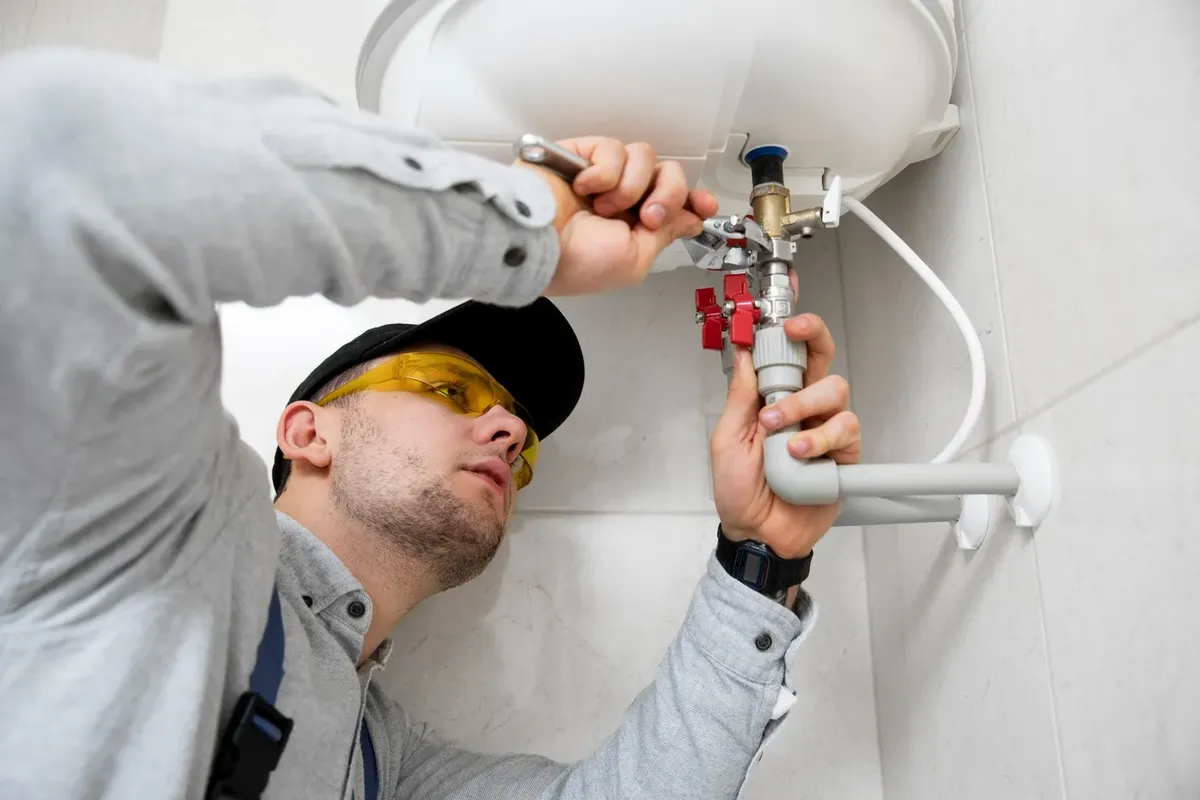
Plumber Practice Exam questions usually cover the core work a plumber does in the field, but the exact outline can change by jurisdiction. In the United States, a learner should expect study time to focus on trade skills, code use, and safe job habits.
Pipe cutting, joining, and soldering helps you understand how to prepare and connect piping without weak joints or leaks. Plumbing tools and equipment covers the hand tools, power tools, and measuring tools used on the job. Water heaters and hot water systems deal with safe setup, operation, and basic service issues. Plumbing math and pressure basics help you work with measurements, volume, slope, and simple pressure ideas. Fixture installation and repair focuses on sinks, toilets, tubs, and other fixtures that need correct fit and function.
Drain cleaning and clog removal teaches you how to clear blockages without making the line worse. Leak detection and troubleshooting helps you find the source of water loss or damage. Backflow prevention matters because potable water must stay protected from contamination. Drain, waste, and vent systems explain how wastewater moves and how air flow keeps the system working. Blueprint reading and measurement helps you follow plans and install parts in the right place.
Pipe materials and fittings covers the differences among common piping types and connectors. Water supply systems explain how water moves from the source to the fixture. Plumbing safety and code compliance is the part that reminds you to work by the rules that protect people and property. Valves, faucets, and fixtures help you understand control parts and finish items. Septic and sewer systems deal with waste flow beyond the home and the parts that connect to local disposal systems.
How to sign up for the Plumber Practice Test
Before you sign up for a real licensing exam, you need to check the rules for your state or local licensing board, because plumbing testing does not follow one single national schedule. The safest first step is to review the exam listing through the Easy Quizzz Products , then confirm whether your jurisdiction needs pre-approval, experience records, or a sponsor. If you are using practice material first, you can also start from the Easy-Quizzz home page and move into the assessment test section or the Buy Plumber Practice Test .
Exam fees vary by state, city, and testing program, so you should always confirm the current price before you register. Many contractor and trades exams use a paid registration process, and payment methods usually depend on the testing provider. Some programs take card payment online, while others may route payment through an approval step or a separate agency process. Availability also varies. In some places, testing happens on set dates, while in others you can book a seat when a testing center has openings. In general, the exam is not limited to a fixed number of people who can pass. Seats may be limited by scheduling, but passing depends on your score, not on a quota.
Where can you take the Plumber Practice Test
A real plumbing exam can be taken at an approved testing center, and some programs also use computer-based delivery through an authorized platform. The exact location depends on the state or jurisdiction that sponsors the exam, so you should verify the testing method before you register. Many candidates take the exam in person at a proctored site, while some jurisdictions may offer other delivery options if they list them in the exam bulletin. The important point is that the official exam location is set by the licensing path, not by the practice material.
What is the exam format for Plumber Practice Test
The format depends on the specific plumbing license or trade exam, so you should not assume one fixed structure for every jurisdiction. In some programs, the test uses multiple-choice questions and a timed session, while the number of questions and the allowed time can differ from one license type to another. For official plumbing contractor and trades exams, the exam bulletin or catalog is the place to confirm the final structure, the number of questions, and whether the test is open book or closed book. Plumber Practice Test study sets should match that style as closely as possible so you do not waste time on the wrong kind of review.
The score needed to pass also changes by exam program. Some licensing tests use a set number of correct answers, and the passing mark is often shown in the exam details rather than a simple percentage. In that system, a candidate can miss some questions and still pass as long as the required score is reached. If your exam uses a point model, you should read the scoring rules carefully before test day so you know how the final result gets calculated. The key is to verify the exact exam rules for your location before you study.
Who should take the Plumber Practice Test
Plumber Practice Test is for people who want to enter the plumbing trade, move toward a license, or check whether they are ready for a state or local exam. In the United States, the usual path includes work experience, apprenticeship, or a mix of training and job hours, but the exact rule depends on the jurisdiction. Many states and localities require plumbers to be licensed, and some require several years of experience before a person can sit for an exam.
If you are an apprentice, a helper, or a working plumber who wants to advance, Plumber Practice Test can help you see whether your code knowledge and field knowledge match the level expected on the exam. You should still confirm the age rules, experience rules, and any pre-approval steps with your own licensing path, because those details are not the same everywhere.
How difficult is the plumber practice test?
The difficulty level depends on your hands-on experience, your code reading skills, and how well you know the exam outline. For many learners, the hard part is not one topic alone. It is the mix of math, code, system layout, and troubleshooting under a time limit. A person who works in the field every day may still find the wording of the questions challenging if they do not study the exam style.
Plumber Practice Test can feel easier when your review follows the real content outline and not random trivia. If you study each topic in small parts and practice under time pressure, the test often feels more manageable. That does not mean it becomes simple, but it does mean you can reduce surprises and work with more control.
What are the professional benefits
Passing the right plumbing exam can support your move into licensed work, which can open the door to more responsibility on Jobsite and more independence in how you work. In many places, license status also affects whether you can pull permits, supervise work, or qualify for contractor-level work. Because licensing rules vary, the exact benefit depends on your state and your role.
Plumber Practice Test helps you prepare for that step by turning the exam into something you can study for in a focused way. It also helps you spot weak areas before they affect your real score. Plumber Practice Test can be especially useful when you are close to test day and need to turn general knowledge into exam-ready knowledge.
How to prepare and pass the Plumber Practice Test
A good plan starts with the official exam outline, because that tells you what the test expects and what your state or local board wants you to know. After that, build your study plan around the weak areas, not just the topics you already like. If your test path is tied to a licensing board, review the current exam details in the exam catalog , then use the and the to build steady review habits.
The Plumber Practice Exam works best when you treat it like a skill check, not a memory game. Read code terms slowly, review common pipe materials, and practice the kind of math that shows up in field work. If you study on the go, the Easy-Quizzz Simulator and Mobile App can help you keep up with short practice sessions on a regular schedule. The Easy Quizzz Products can also help you review the study path in one place.
Practice with Easy-Quizzz quiz features
After you learn the exam structure, you can strengthen your preparation with practice quizzes that mirror real test conditions in a calm, structured way. The practice set includes 540 available questions, and each full session follows a 60 minute time limit. The average success or completion trend is 70, which gives you a simple benchmark for how the practice flow is often used. The scoring system works with 1 point for a correct answer, 0 points when an answer is wrong, and 0 points when a question is skipped.
The topic breakdown covers pipe cutting, joining, and soldering; plumbing tools and equipment; water heaters and hot water systems; plumbing math and pressure basics; fixture installation and repair; drain cleaning and clog removal; leak detection and troubleshooting; backflow prevention; drain, waste, and vent systems; blueprint reading and measurement; pipe materials and fittings; water supply systems; plumbing safety and code compliance; valves, faucets, and fixtures; and septic and sewer systems. When you move through these areas one by one, you build stronger recall and better timing. Repeated structured practice can help you feel more ready without promising a result.
Useful official resources
You should check your own state or local licensing rules, confirm the exam outline before you register, and review the current code topics that apply to your testing path so you know exactly what to study and when to book your seat.
Frequently asked questions about Plumber Practice Test
How long should I study before test day
The amount of study time depends on your background. If you already work in plumbing, you may need less time to review code and exam style. If you are newer to the trade, give yourself more time and focus on one topic at a time. A steady plan usually works better than last minute cramming.
Is the exam the same in every state
No, it is not the same everywhere. Plumbing licensing in the United States can change by state, county, or city. Some places need apprenticeship hours, some need work experience, and some use different exam content or delivery methods. Always check the rules for your own licensing path before you register.
Can I take the test online
Some programs use computer based testing at approved sites, while others may offer different delivery options depending on the jurisdiction. You should not assume online access unless the exam bulletin says so. The safest move is to confirm the testing method in the official exam details before you plan your schedule.
What if I do not pass the first time
Retake rules vary by program. Some testing paths allow retakes after a waiting period or after a new registration fee, while others set extra approval steps. Read the exam rules before test day so you know what happens if you need another attempt. That way, you can plan your study and budget with less stress.
Does the practice quiz match the real test exactly
No practice quiz should be treated as a copy of the real exam unless the provider clearly says so. A good practice set should follow the same topic areas, time pressure, and answer style, but the actual licensing test can still differ. Use practice to build readiness, not to predict exact questions.
What is the best way to use the practice questions
Use them in short sessions, then review every missed area before taking another round. That helps you learn why an answer is right, not just which option to choose. If you repeat the same weak topics a few times, you can build better recall and better speed.
Do I need field experience before I can sit for the exam
Often yes, but the rule depends on the state or local board. Many licensing paths expect apprenticeship hours or job experience before exam approval. Some routes may also require a sponsor, school hours, or proof of training. Check your own jurisdiction before you schedule anything.